Social Anxiety Disorder: Far More Than Shyness
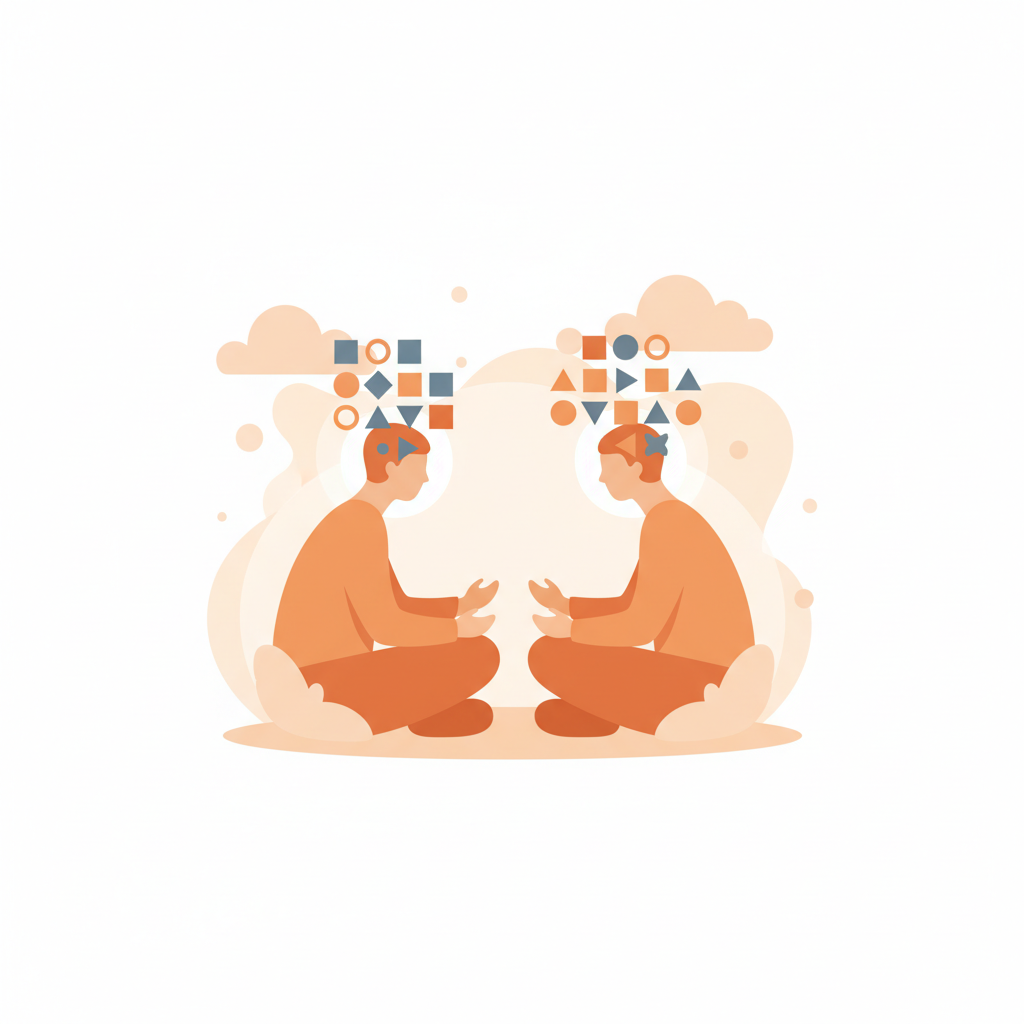
Social anxiety disorder is not simply being shy. Discover the DSM-5 criteria, how it affects relationships, and which treatments offer the most hope.
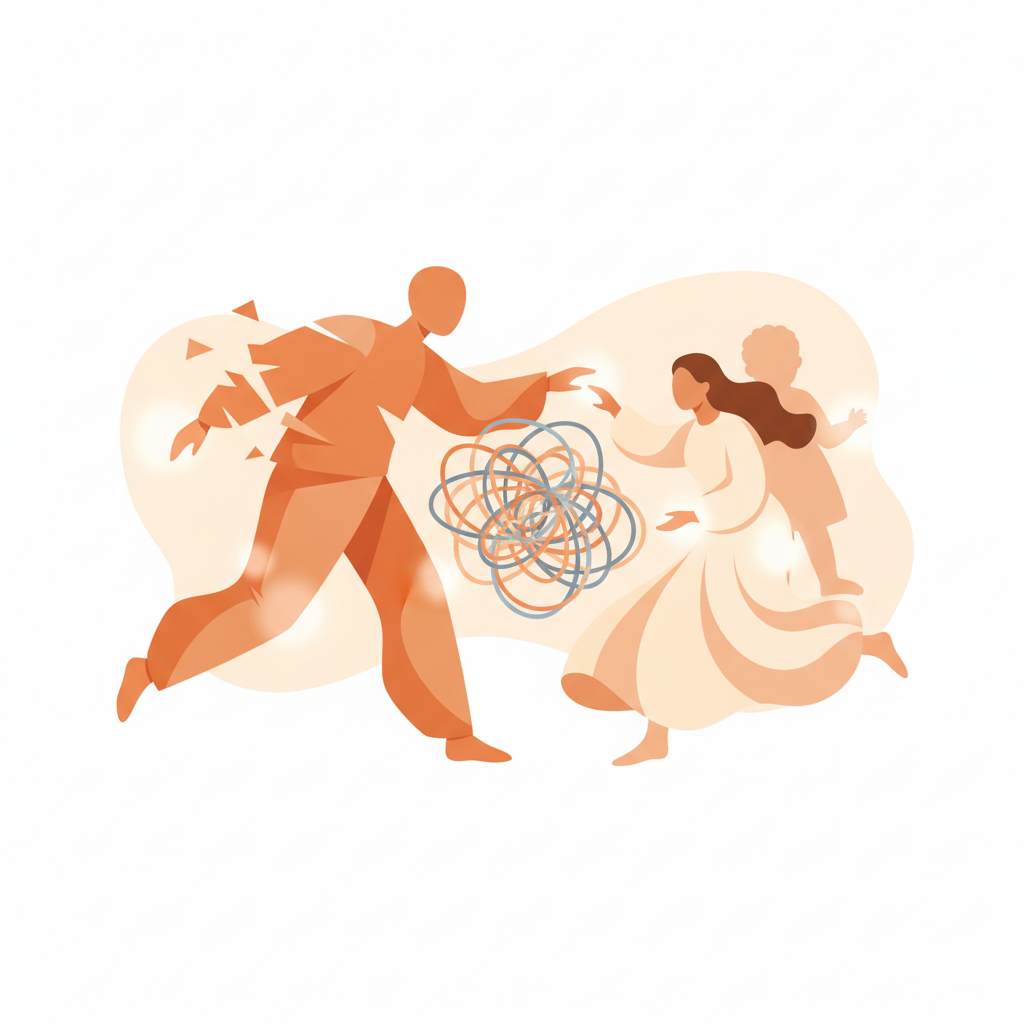
Disorganised attachment is the least known and most complex attachment style. It originates in childhood and deeply affects adult relationships. Discover its roots, warning signs, and paths toward healing.
An existential crisis is an invitation to reconsider what you want from life. We explore Viktor Frankl's logotherapy, existential psychology, and strategies for finding meaning in suffering.
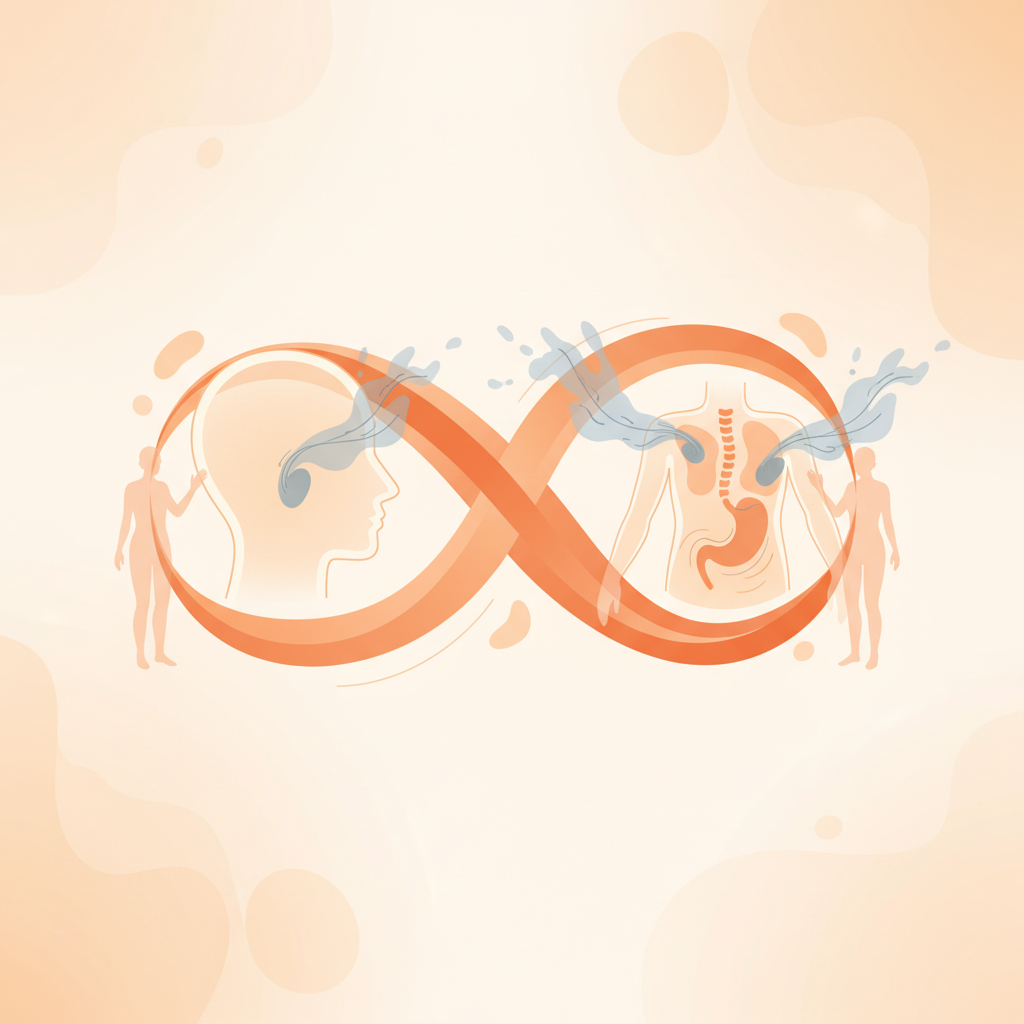
Chronic back pain, headaches with no organic cause, or persistent digestive discomfort may be the voice of emotions that have no other outlet. Discover the mind-body connection and how to address it.
A practical guide to mental health resources available worldwide: crisis helplines, professional organisations, public services, and affordable therapy options. Save it and share it.
Going to therapy for the first time can feel daunting. Learn what to expect, how to choose the right therapist, and why asking for help is an act of courage, not weakness.
Cognitive behavioural therapy is the psychological approach with the strongest scientific evidence base. Discover how it works, which conditions it treats most effectively, and what to expect from a course of CBT.
Generalised anxiety disorder goes far beyond normal stress. Discover what sets it apart, its DSM-5 symptoms, and which management strategies have the strongest evidence base.
Many adults discover they have ADHD after years of feeling "different." We explore why the diagnosis comes late, how it impacts relationships, and what strategies help manage it.
Highly sensitive people (HSPs) process the world with greater intensity. Discover what the science says, how to distinguish high sensitivity from a disorder, and how to turn it into a strength.
Losing a pet is a real bereavement, not an overreaction. Science explains why the bond is so deep and why society's dismissal makes the grief harder.
Most people want to help a grieving friend but don't know how. Here is what the research says actually helps — and what you should absolutely stop saying.