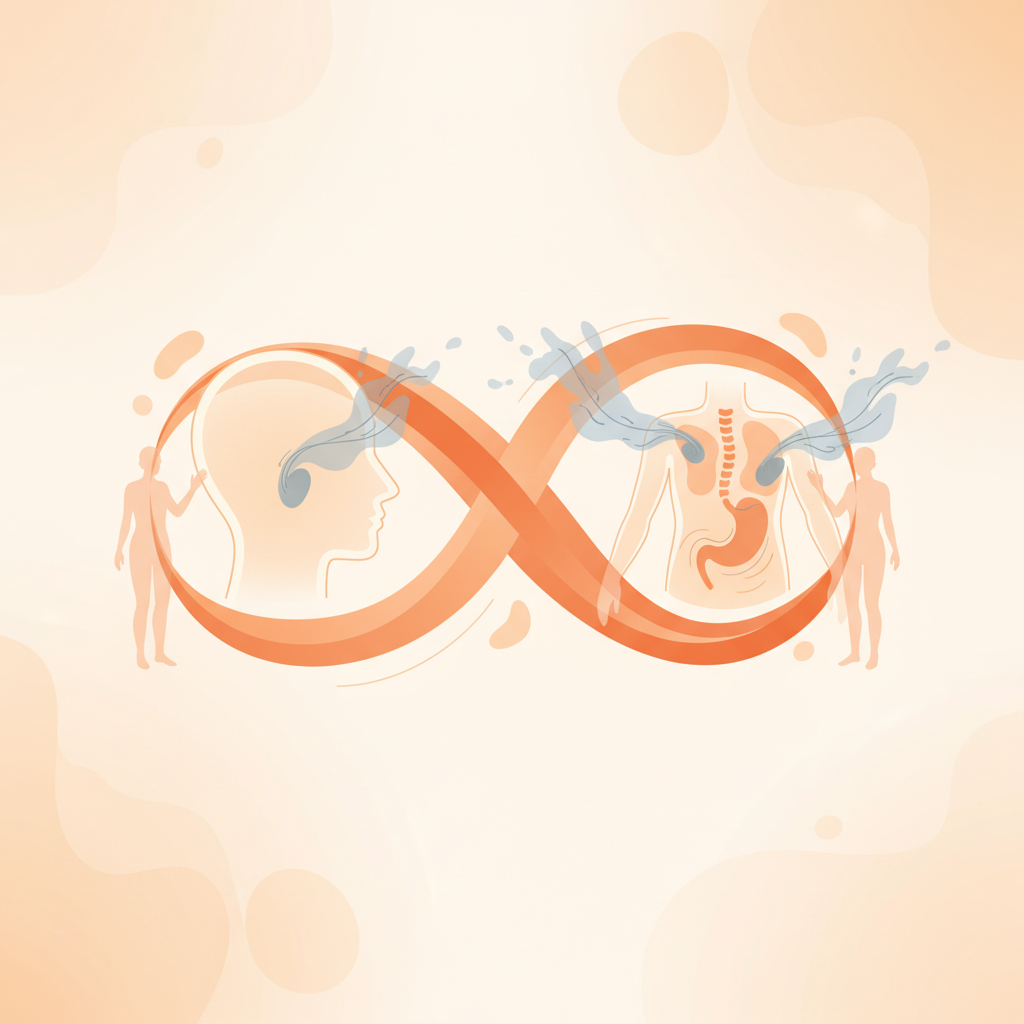
Somatisation is the process by which psychological distress is expressed through physical symptoms that have no identifiable organic cause or that are disproportionate to the underlying medical condition. The DSM-5 captures this phenomenon under the category "Somatic Symptom and Related Disorders," replacing the former "somatoform disorders" category. Bessel van der Kolk, psychiatrist and trauma researcher at Boston University, summed it up with a phrase that has become a reference: "The body keeps the score." His research, together with that of other pioneers like Peter Levine, Gabor Mate, and Stephen Porges, has revolutionised our understanding of how unprocessed emotions lodge in the body and generate pain, tension, and illness. A 2023 review in The Lancet estimated that medically unexplained symptoms account for up to 30% of primary care consultations worldwide.
What Are the Most Common Somatic Symptoms?
| Symptom |
Possible emotional correlate |
Observation |
| Headache / migraine |
Stress, perfectionism, rumination |
After ruling out neurological causes |
| Chronic back pain |
Emotional burden, excessive responsibility |
John Sarno (NYU) linked lower back pain to repressed anger |
| Digestive problems (irritable bowel) |
Anxiety, fear, hypervigilance |
The gut has more neurons than the spinal cord |
| Chronic muscle tension |
Permanent state of alertness, post-traumatic stress |
Wilhelm Reich's "muscular armour" |
| Chronic fatigue |
Emotional exhaustion, masked depression |
After ruling out endocrine causes |
| Palpitations / chest tightness |
Anxiety, panic, contained emotions |
Always rule out cardiac causes first |
Critical disclaimer: somatisation is a diagnosis of exclusion. Before attributing a physical symptom to an emotional cause, it is essential to rule out organic causes with your doctor. This article is informational and does not replace medical or psychological assessment.
Why Does the Body "Speak" When Emotions Fall Silent?
Stephen Porges's polyvagal theory offers a neurophysiological explanation. The vagus nerve — the longest nerve in the autonomic nervous system — connects the brain to the major organs (heart, lungs, gut). When the nervous system detects a threat, it activates fight, flight, or freeze responses that have direct physical consequences:
- Fight/flight: rapid heartbeat, muscle tension, shallow breathing, sweating.
- Freeze (dorsal vagal): fatigue, disconnection, slowing down, digestive problems.
If the threat is brief, the body returns to normal. But when stress is chronic or emotions are systematically repressed, the body remains "stuck" in these defensive responses. Van der Kolk demonstrated through neuroimaging that people with unresolved trauma show abnormal activation of the insula (the brain region that processes internal body signals), generating a distorted perception of bodily sensations. A 2022 study in Nature Neuroscience corroborated these findings, showing persistent neural hyperactivation in individuals with chronic somatic symptoms.
What Is the Relationship Between Somatisation and Trauma?
Van der Kolk's research with trauma survivors showed that many people who cannot verbalise their traumatic experience "express" it through the body. This is not a conscious choice; it is the result of the emotional brain (amygdala, limbic system) processing the threat faster than the rational brain (prefrontal cortex). The body reacts before the mind can make sense of what happened.
Gabor Mate, physician and author of When the Body Says No, goes further and proposes that chronic repression of emotions — especially anger — weakens the immune system and contributes to the development of autoimmune diseases and cancer. This hypothesis is controversial and the evidence is correlational, not causal, but it has opened relevant research lines in psychoneuroimmunology.
How Is Somatisation Addressed in Therapy?
There is no single approach; the most evidence-supported include:
- Cognitive behavioural therapy (CBT) for somatic symptoms: helps modify catastrophic interpretation of bodily signals and reduce avoidance behaviours.
- EMDR (Eye Movement Desensitisation and Reprocessing): especially effective when somatisation has traumatic roots.
- Sensorimotor psychotherapy (Pat Ogden): works directly with bodily sensations as a gateway to emotional processing.
- Somatic Experiencing (Peter Levine): facilitates the discharge of energy accumulated in the body from traumatic experiences.
- Mindfulness-Based Stress Reduction (MBSR): Jon Kabat-Zinn's programme has demonstrated efficacy in chronic pain, fibromyalgia, and irritable bowel syndrome.
What Can I Do in My Daily Life?
Without replacing professional guidance:
- Body scan: 10 minutes a day mentally scanning each part of your body, observing sensations without judgement. It is a core MBSR practice.
- Name the emotion: when you feel a physical symptom without a clear cause, ask yourself: "What emotion might be underneath this?" The simple act of naming an emotion reduces amygdala activation (research by Matthew Lieberman, UCLA).
- Mindful movement: yoga, tai chi, dance. It is not about "exercising" but about reconnecting with your body's signals.
- Do not invalidate the symptom: that a symptom has an emotional component does not mean it is "made up." The pain is real. The cause is emotional, but the experience is physical.
How Does Somatisation Relate to Relationships?
Relationships can be both a source of somatisation and a space for healing. A relationship in which you cannot express what you feel (out of fear, habit, or power dynamics) forces emotions to find another outlet: the body. LetsShine.app can be a first step toward opening that communication channel with your partner or family, offering a safe space to express what you normally keep silent. But if you have persistent physical symptoms without a clear medical cause, the most comprehensive approach includes a doctor to rule out organic causes and a psychologist to work on the emotional dimension.
Frequently Asked Questions
Does somatisation mean I am "making up" my symptoms?
Absolutely not. The symptoms are real. The pain exists. What happens is that the origin is not in tissue damage but in nervous system activation. Saying something is "psychosomatic" does not invalidate the suffering.
Do children also somatise?
Yes, and very frequently. Stomach aches before school, headaches without a cause, nausea in stressful situations are common forms of childhood somatisation. Children have fewer verbal resources to express emotions.
Can I have an organic illness and somatisation at the same time?
Yes. Somatisation does not exclude organic illness. A person with a real medical condition can also experience symptom amplification from emotional factors.
How long does it take for somatisation to improve with therapy?
It depends on the chronicity and depth of the issue. Body-based approaches like Somatic Experiencing can produce significant changes in weeks, while resolving complex trauma may take months or years.
Does physical exercise help with somatisation?
Regular moderate exercise reduces sympathetic activation and improves emotional regulation. However, in people with severe somatisation, intense exercise can worsen symptoms. It is important that movement is enjoyable, not punitive.
Your relationships can improve. Today.
Start free in 2 minutes. No credit card, no commitment. Just you, the people you care about, and an AI that helps you understand each other.
Start free now