Breastfeeding and infant nutrition encompass every practice, decision and piece of knowledge involved in nourishing a baby from birth until the child is fully integrated into the family table. According to the World Health Organization (WHO), adequate nutrition during the first 1,000 days of life -- from conception to age two -- shapes long-term health, cognitive development and emotional wellbeing.
This guide brings together the latest evidence from the WHO, the American Academy of Pediatrics (AAP), La Leche League International (LLLI) and leading researchers such as Dr. Jack Newman and Gill Rapley so every family can make informed, guilt-free decisions.
Why Are the First 1,000 Days So Important?
The first 1,000 days represent a unique window of opportunity. During this period:
- The brain reaches roughly 80 % of its adult size.
- The gut microbiome is established, laying the foundation for lifelong immunity.
- Eating patterns and the emotional relationship with food begin to form.
The AAP states that optimal nutrition during this stage reduces the risk of childhood obesity, type 2 diabetes and cardiovascular disease in adulthood. There is no single "right" way to feed a baby; what matters is that feeding is safe, nutritious and adapted to each family's reality.
What Feeding Options Exist in the First Months?
| Option |
Description |
WHO Recommendation |
| Exclusive breastfeeding |
Only breast milk, no water or other liquids |
Recommended for the first 6 months |
| Combination feeding |
Breast milk plus infant formula |
A valid option when exclusive breastfeeding is not possible or desired |
| Exclusive formula feeding |
Infant formula as the sole source of nutrition |
A safe alternative when breastfeeding is not practised |
None of these options defines the quality of the parent-child bond. As La Leche League reminds us, "what matters most is the love with which a baby is fed."
How to Get Started with Breastfeeding
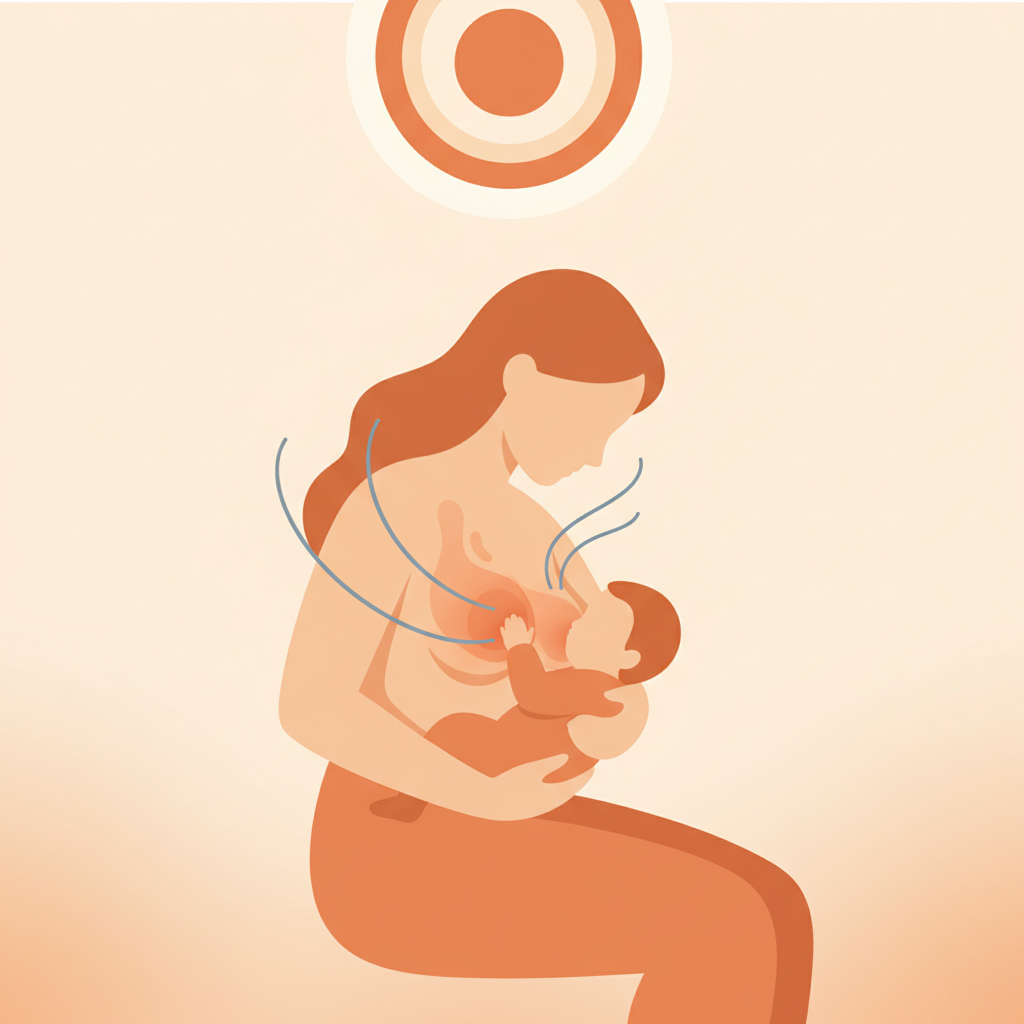
Early initiation -- within the first hour of life -- promotes skin-to-skin contact, activates the newborn's reflexes and stimulates colostrum production. Keys to a good start include:
- Correct latch: wide-open mouth, lower lip flanged outward, chin touching the breast.
- On demand: no rigid schedules; the baby regulates frequency and duration.
- Signs of adequate intake: at least 5-6 wet nappies per day, appropriate weight gain, baby content after feeds.
If persistent pain, cracked nipples or signs of tongue-tie appear, seek help from an International Board Certified Lactation Consultant (IBCLC).
What Should You Know About Infant Formula?
Infant formula is a safe, regulated food product that meets a baby's nutritional needs. The AAP emphasises that choosing formula is not a failure but a legitimate decision. Key points:
- Use a Stage 1 (newborn) formula for the first 6 months; Stage 2 (follow-on) from 6 months onward, though the AAP notes that Stage 1 may be used throughout the first year.
- Prepare bottles with safe, previously boiled and cooled water, following manufacturer instructions exactly.
- Feed on demand, never forcing the baby to finish a bottle.
When and How to Introduce Complementary Foods
The WHO and the AAP recommend starting complementary feeding from around 6 months, when the baby shows signs of readiness: sitting with minimal support, loss of the tongue-thrust reflex and interest in food.
| Age |
Recommended Foods |
Texture |
| 6 months |
Vegetables, fruits, iron-fortified cereals, meat, white fish, legumes |
Smooth puree or soft finger foods (BLW) |
| 8-9 months |
Wider variety; cooked egg, plain yoghurt |
Mashed or strips |
| 10-12 months |
Most family foods, adapted |
Small pieces |
| 12-24 months |
Full integration into the family table |
Varied textures |
Baby Led Weaning (BLW) allows the baby to explore solid food from the start, respecting autonomy. It can be combined with purees (mixed approach) without any issue.
How to Introduce Allergens Safely
The latest scientific evidence (LEAP and EAT studies) has shifted the paradigm: delaying allergen introduction does not prevent allergies; in many cases it increases the risk. The AAP recommends:
- Introducing peanut, egg, cow's milk, fish, shellfish, tree nuts (in safe formats) and gluten from around 6 months, one at a time.
- Offering each new allergen for 3 consecutive days to watch for reactions.
- Not delaying any food without a specific medical reason.
What to Do When a Child Refuses Food
Food neophobia -- the rejection of new foods -- is a normal developmental behaviour peaking between ages 2 and 6. Research by Dr. Lucy Cooke at University College London shows that forcing, punishing or bribing with food is counterproductive. Evidence-based strategies include:
- Repeated, pressure-free exposure: offer the food up to 15-20 times in different presentations.
- Modelling: let the child see trusted adults enjoying the food naturally.
- Autonomy: the child decides how much to eat; the adult decides what, when and where.
- Positive mealtimes: the table as a place for connection, never conflict.
When and How to Wean
Weaning may be child-led (the child gradually drops feeds) or parent-led (the parent initiates the process). The WHO recommends breastfeeding until age 2 or beyond, but every family sets its own pace. Respectful weaning involves:
- Reducing feeds gradually (never abruptly).
- Replacing a feed with another moment of connection (a story, a cuddle, a game).
- Accepting that setbacks happen and the process may take weeks or months.
How Can LetsShine.app Help Along the Way?
Parenting is a relationship act, and infant feeding is woven with emotions, expectations and, very often, outside pressure. At LetsShine.app we believe that understanding each other -- including your baby -- brings peace. Our AI mediator can help you:
- Explore couple conflicts related to parenting and feeding decisions.
- Manage family pressure around breastfeeding or weaning choices.
- Communicate needs without guilt or judgement.
Because feeding is much more than nutrition -- it is connection.
Frequently Asked Questions
Is breast milk always better than formula?
Breast milk offers well-documented immunological and bonding benefits according to the WHO, but formula is a safe and complete alternative. The best option for each baby is whatever works for the family.
At what age can a baby eat everything?
The AAP indicates that from 12 months a child can consume most family foods, avoiding choking hazards (whole nuts, whole grapes, popcorn) and honey before age 1 due to botulism risk.
Is BLW dangerous?
No, provided safety conditions are met: the baby sits upright, foods have appropriate shapes and textures, and an adult supervises at all times. The AAP and current evidence support its safety.
How long can breastfeeding continue?
There is no upper limit. The WHO recommends at least until age 2, and the AAP supports continued breastfeeding as long as mutually desired by parent and child. Extended breastfeeding is the biological norm for our species.
Your relationships can improve. Today.
Start free in 2 minutes. No credit card, no commitment. Just you, the people you care about, and an AI that helps you understand each other.
Start free now