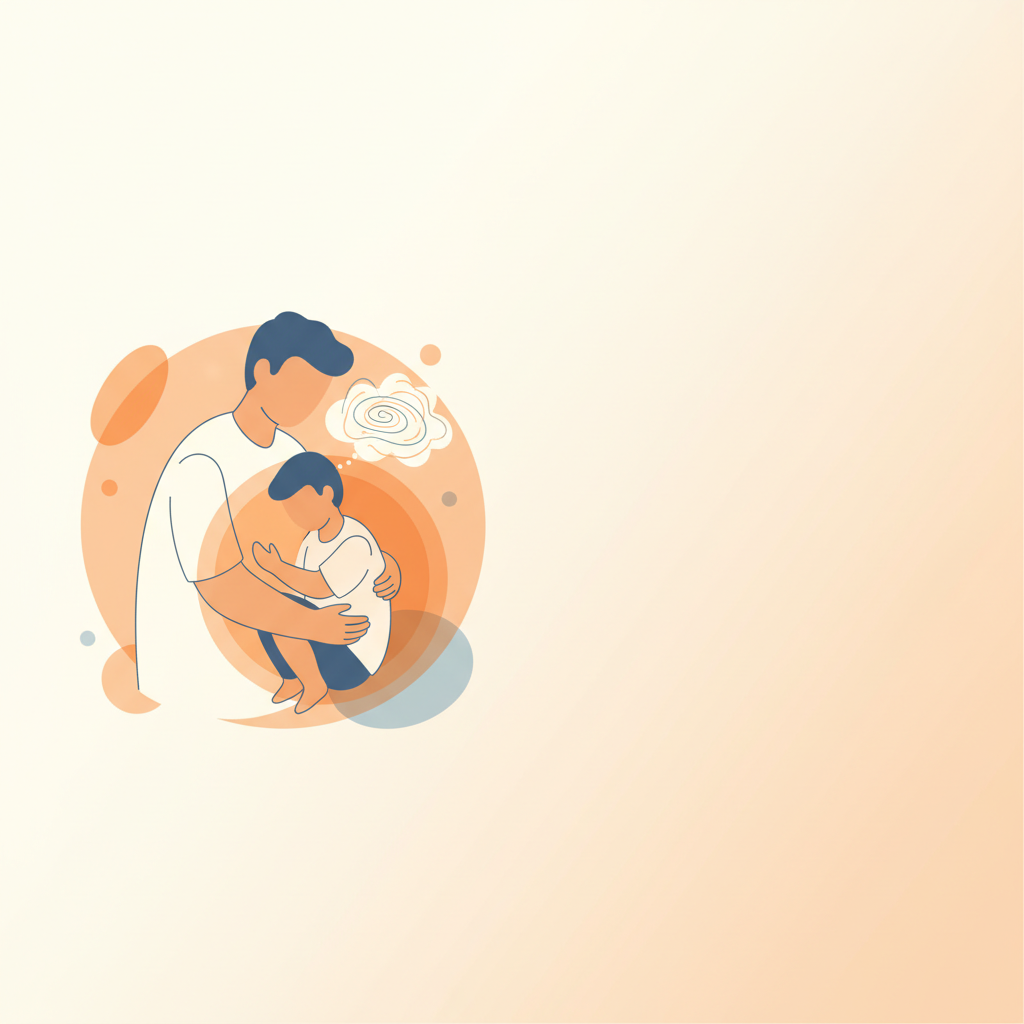
There is the motherhood you were promised — serene, instinctive, lit by golden hour — and the motherhood you are living: messy, exhausting, fierce, tender, boring, overwhelming, and profoundly transformative, often within the same hour. The gap between these two versions is not a personal failure. It is a cultural problem, and it is making mothers sick.
Sociologist Sharon Hays coined the term "intensive mothering" in 1996 to describe the dominant ideology that a good mother must be the primary caregiver, must invest enormous time and emotional labor, must prioritize the child above all else, and must find it all naturally fulfilling. Two decades later, social media has amplified this standard to grotesque proportions: the Instagram mother who cloth diapers, baby-led weans, does sensory play before 7 AM, maintains a spotless home, nurtures her marriage, and looks refreshed while doing it.
The problem is not that some mothers do these things. The problem is that the curated highlight reel has become the baseline expectation against which all mothers measure themselves.
Where Does the Pressure Come From?
The idealization of motherhood is not accidental. It has specific sources:
Cultural narratives
Western culture has oscillated between neglecting children and worshipping mothers. The current dominant narrative — that motherhood should be a woman's greatest fulfillment — gained momentum in the mid-20th century and has intensified with each generation. Historian Stephanie Coontz demonstrates in The Way We Never Were that the idealized 1950s mother was already a myth in the 1950s.
Social media
A 2019 study in Maternal and Child Health Journal found that greater social media use was associated with higher maternal guilt and lower self-efficacy. The mechanism is straightforward: you see other mothers' best moments and compare them to your worst.
The advice industry
The explosion of parenting books, apps, and expert opinions — often contradictory — has created a paradox of choice. When there are 47 "right" ways to put a baby to sleep, not following all of them feels like negligence.
Internalized expectations
Many mothers carry idealized images from their own childhoods (or from the childhood they wished they had) and unconsciously try to replicate a standard that may never have existed.
What Does the Gap Between Real and Ideal Actually Feel Like?
Psychologist Susan Maushart, in The Mask of Motherhood, describes the emotional experience of the gap:
- Guilt: the near-constant feeling that you are not doing enough, not present enough, not patient enough.
- Shame: guilt says "I did something wrong"; shame says "I am wrong." Shame is the more destructive of the two.
- Rage: the anger that erupts when you are depleted and the demands keep coming — and then more guilt for feeling angry.
- Loneliness: surrounded by people but profoundly alone, because admitting struggle still feels taboo.
- Grief: for the mother you thought you would be, for the freedom you lost, for the relationship that changed.
These feelings are not signs of failure. They are signs that the expectations placed on mothers are inhumane.
What Does the Research Say About "Good Enough" Mothering?
Pediatrician and psychoanalyst Donald Winnicott introduced the concept of the "good enough mother" in the 1950s. His key insight: a mother does not need to be perfect. In fact, perfection is harmful. A child needs a caregiver who is reliably present, who repairs ruptures, and who allows increasing space for frustration and autonomy as the child grows.
Ed Tronick's "Still Face Experiment" research shows that mother-baby interactions are in synchrony only about 30% of the time. The other 70% consists of mismatches and repairs. It is the repair — not the perfection — that builds resilience.
How to Reclaim Your Own Motherhood Story
There is no five-step program for escaping the idealization trap. But there are shifts that many mothers find liberating:
- Name the source of pressure. Is this expectation coming from your values, or from a curated image you saw online?
- Audit your inputs. Unfollow accounts that make you feel inadequate. Follow ones that normalize the mess.
- Practice "good enough" out loud. Say to your partner: "The kids ate cereal for dinner and everyone is fine."
- Connect with honest mothers. One truthful conversation is worth a hundred reassuring memes.
- Separate your worth from your performance. You are a good mother not because of what you do, but because of who you are to your child.
When Ambivalence Becomes Something More
Maternal ambivalence — loving your child and sometimes wishing you had your old life back — is universal and normal. But when the gap between real and ideal motherhood becomes a persistent source of despair, when guilt becomes debilitating, when you cannot find moments of joy, it may be time to explore whether anxiety, depression, or burnout is present.
At LetsShine.app we understand that the pressure of idealized motherhood affects not only the mother but the entire family system. Our AI mediator can help you explore these feelings and communicate them to your partner — because sometimes the hardest conversation is not about the baby, but about the mother you are becoming.
Frequently Asked Questions
Is it normal to regret becoming a mother?
Maternal regret is more common than society acknowledges. Israeli sociologist Orna Donath's research on "regretting motherhood" found that women can love their children deeply while regretting the role itself. Experiencing this does not make you a bad mother.
How do I stop comparing myself to other mothers?
Comparison is deeply human and hard to eliminate entirely. The goal is to notice when you are comparing and ask: "Am I comparing my reality to someone else's highlight reel?" Reducing social media exposure and increasing in-person connections with honest parents helps significantly.
My partner does not understand why I feel so overwhelmed. What can I do?
This is one of the most common postpartum communication breakdowns. Try to share specific experiences rather than generalizations. "I have not eaten a hot meal in four days" communicates more concretely than "I am overwhelmed."
Does feeling like a bad mother make me one?
No. The mothers most concerned about their parenting are typically the ones doing it best. The worry itself is evidence that you care.
Is the pressure worse for first-time mothers?
Often, yes. By the second or third child, many mothers have relaxed their standards — not because they care less, but because they have learned what actually matters.
Your relationships can improve. Today.
Start free in 2 minutes. No credit card, no commitment. Just you, the people you care about, and an AI that helps you understand each other.
Start free now