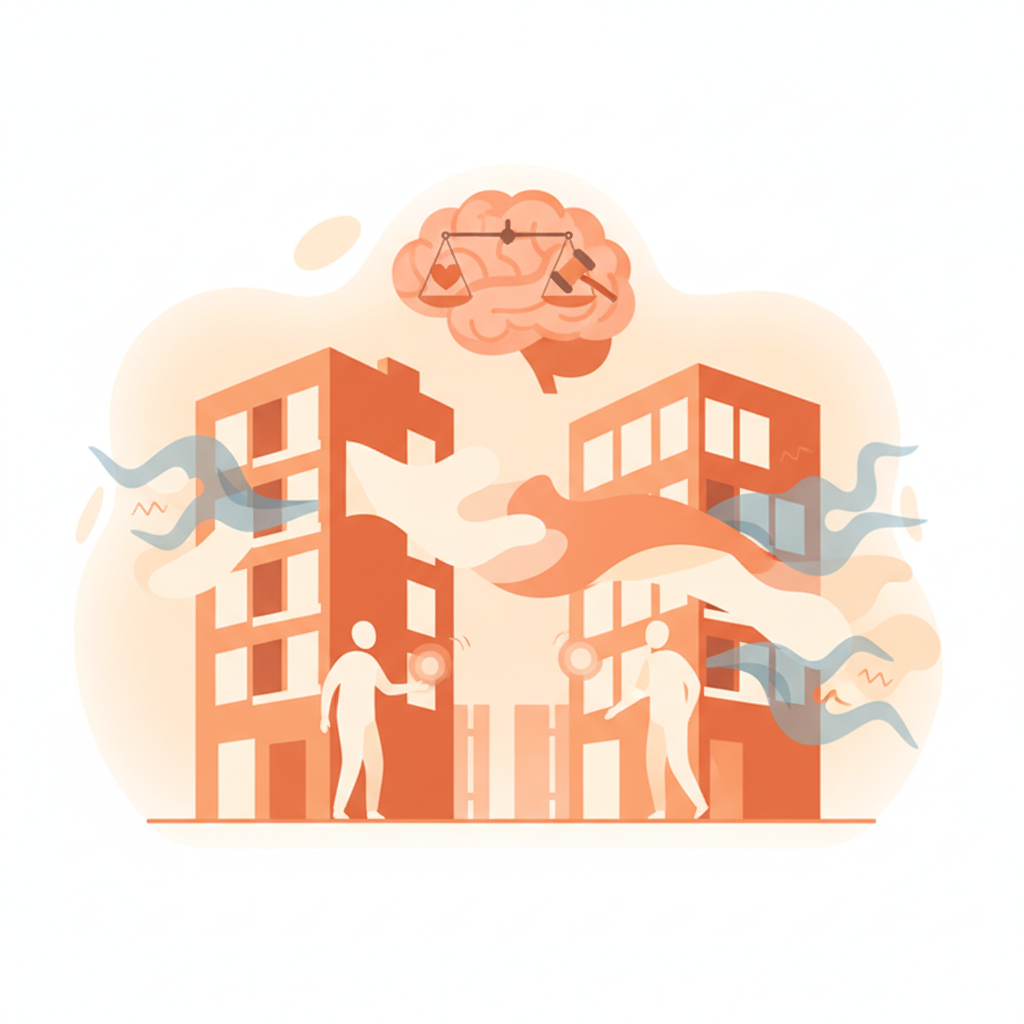
Neighbour conflicts are among the most pervasive and underestimated sources of stress in daily life. Unlike workplace disputes (which you leave at the office) or family conflicts (which at least involve people you chose), neighbour problems invade the one place that should be your refuge: your home. A study published in the Journal of Environmental Psychology found that persistent neighbour noise is associated with elevated cortisol levels, sleep disruption, and reduced overall wellbeing. The UK's Citizens Advice Bureau reports that noise complaints are the most frequent neighbour dispute, followed by boundary disagreements, parking, and antisocial behaviour. In the United States, a survey by the National Association of Realtors found that 25% of homeowners have had at least one significant dispute with a neighbour.
Quick Overview: Types of Neighbour Conflicts
| Conflict Type |
Common Triggers |
Escalation Risk |
| Noise |
Music, parties, pets, DIY, footsteps |
High — affects sleep and health |
| Boundaries and property |
Fences, trees, extensions, shared walls |
Medium to high — involves property rights |
| Shared spaces |
Hallways, parking, bins, gardens |
Medium — accumulates over time |
| Pets |
Barking, fouling, aggression |
Medium — emotional topic |
| Antisocial behaviour |
Harassment, intimidation, threats |
Very high — may require legal action |
Why Neighbour Conflicts Feel So Disproportionately Stressful
A barking dog next door can produce more daily misery than a difficult annual review at work. Why? Several psychological factors converge:
- Territorial instinct: your home is your sanctuary. When someone disrupts it, the brain registers a threat to safety, not just an inconvenience.
- Lack of control: you cannot change your neighbour's behaviour, and moving is expensive and disruptive.
- Chronic exposure: unlike a bad meeting that lasts an hour, a noisy neighbour can affect you every single night.
- Anonymity and dehumanisation: it is easier to rage at "that inconsiderate person upstairs" than at someone you know personally.
- Escalation dynamics: neighbour disputes can spiral from passive notes to legal action to genuine hostility remarkably quickly.
The Direct Conversation: First and Most Important Step
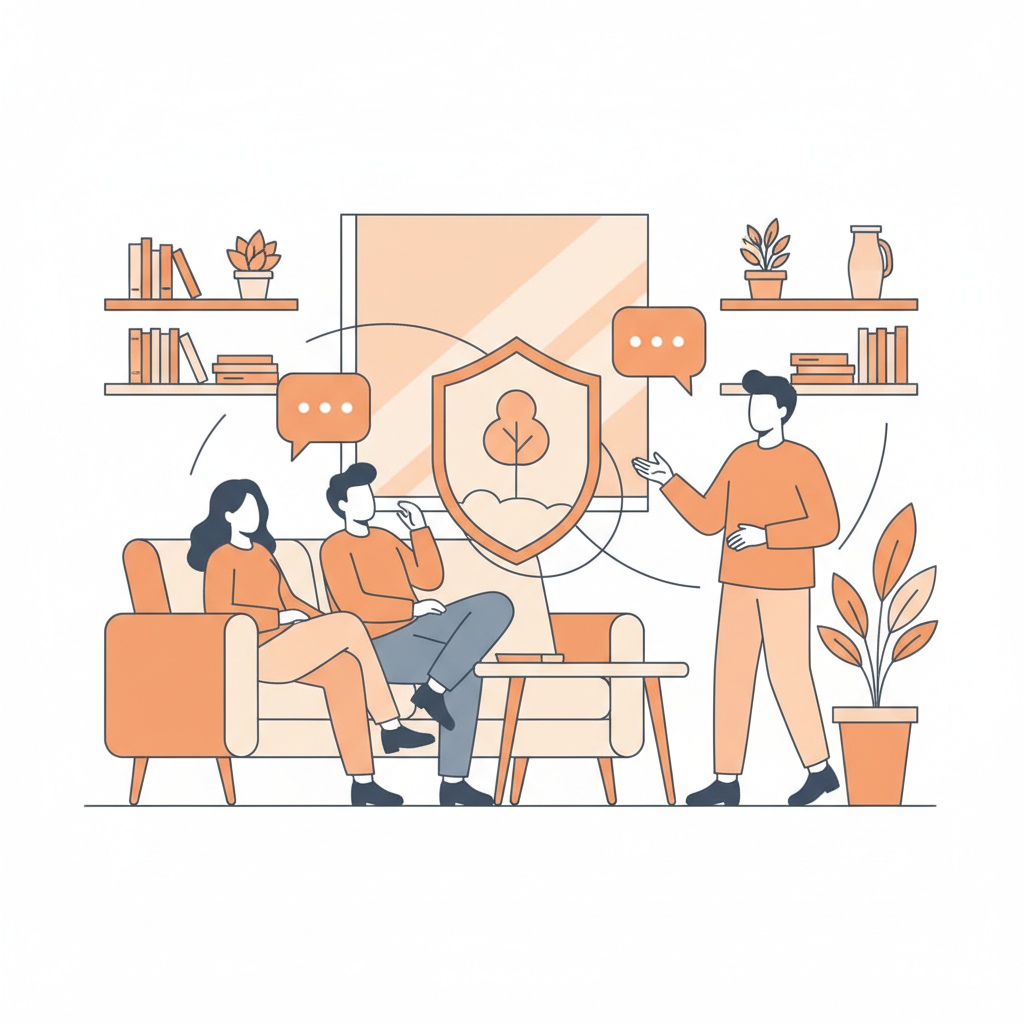
Before writing complaints, calling authorities, or posting passive-aggressive notes, try talking to your neighbour directly. Most people are unaware they are causing a problem. A significant percentage of neighbour disputes resolve at this stage, but only if the conversation is handled well:
How to Approach the Conversation
- Choose the right moment: not at 2 AM when the music is blaring, not when you are furious. The next day, in daylight, when you are calm.
- Assume good intent: "I'm sure you might not realise, but the noise from your flat comes through quite clearly at night" is far more effective than "You're incredibly rude and inconsiderate."
- Be specific: "The music after 11 PM on weeknights makes it hard for me to sleep" is actionable. "You're too noisy" is vague and feels like an attack.
- Propose a solution: "Would it be possible to lower the volume after 11?" opens negotiation. A demand closes it.
- Listen: your neighbour may have their own concerns about you. The best outcomes come from mutual adjustment.
When the Direct Approach Fails
If a polite conversation does not resolve the issue, you have several escalation options:
Mediation
Many local councils and community organisations offer free or low-cost mediation services for neighbour disputes. A neutral third party helps both sides articulate their needs and find a mutually acceptable solution. Mediation is confidential, voluntary, and far less adversarial than legal action.
Formal Complaint to Your Landlord or Management Company
If you rent or live in a managed property, your landlord or management company has a responsibility to address antisocial behaviour by other tenants. Put your complaint in writing with specific dates, times, and descriptions.
Local Authority / Council Involvement
Noise nuisances, environmental health issues, and planning violations can be reported to your local authority. Environmental health officers have legal powers to investigate and enforce action.
Legal Action
As a last resort, you can pursue legal remedies such as injunctions, civil claims for nuisance, or (in severe cases) criminal charges for harassment. This should be a final option — legal action is expensive, stressful, and permanently damages the relationship.
How to Protect Your Mental Health During a Neighbour Dispute
Neighbour conflicts can consume your emotional energy if you let them:
- Set a "worry window": allow yourself 15 minutes per day to think about the problem, then deliberately redirect your attention.
- Document, then detach: keep a factual log (dates, times, descriptions) for potential escalation, but do not obsess over it.
- Maintain perspective: is this problem ruining your life, or is it a genuine nuisance that you are catastrophising? Both are valid, but they require different responses.
- Invest in coping tools: noise-cancelling headphones, white noise machines, and good curtains can reduce the daily impact while you work on the underlying issue.
- Seek support: talk to friends, family, or use tools like LetsShine.app to process the frustration and plan your communication strategy.
Frequently Asked Questions
What is the best first step when you have a problem with a neighbour?
Always start with a direct, calm, face-to-face conversation. Most neighbours are not deliberately malicious — they are simply unaware. Give them the chance to correct the behaviour before escalating.
Should I put complaints in writing?
If verbal conversations have not worked, yes. A polite but firm letter or email creates a record and signals that you are serious. Keep copies of everything.
When should I involve the police?
Only when there is a genuine safety concern: threats, intimidation, harassment, or criminal behaviour. For noise or nuisance complaints, local council environmental health services are usually more appropriate than police.
How do I deal with a neighbour who is aggressive when confronted?
Do not engage with aggression. Withdraw, document the incident, and report it to the appropriate authority (landlord, council, police depending on severity). Your safety always comes first.
Can noise really affect your health?
Yes. The WHO recognises environmental noise as a significant public health issue linked to cardiovascular disease, cognitive impairment in children, sleep disturbance, and mental health problems. Chronic noise exposure is not trivial.
Your relationships can improve. Today.
Start free in 2 minutes. No credit card, no commitment. Just you, the people you care about, and an AI that helps you understand each other.
Start free now